Customer support is often seen as a necessary expense—but what if many of those support tickets could be avoided altogether? The truth is, a large percentage of customer issues stem from poor user experience. When users feel confused, lost, or frustrated, they reach out for help.
This is where UX design becomes a powerful business tool—not just a design function.
Understanding how UI UX Work impacts user behavior can help businesses reduce support costs, improve satisfaction, and create smoother digital experiences.
In this article, we’ll explore how UX design directly reduces customer support demands—and how your business can benefit from it.
Why Do Customers Need Support in the First Place?
Before reducing support costs, it’s important to understand why users reach out.
In most cases, it’s not because your product is complex—it’s because it’s unclear. Users struggle when:
- Navigation is confusing
- Instructions are missing
- Interfaces feel overwhelming
- Errors are hard to resolve
A well-designed product anticipates these issues and solves them before users even notice.
This is exactly where a professional ui ux company focuses its efforts—eliminating friction points before they turn into support requests.
How UX Design Reduces Customer Support Costs
1. Clear Navigation Reduces Confusion
When users can easily find what they’re looking for, they don’t need help.
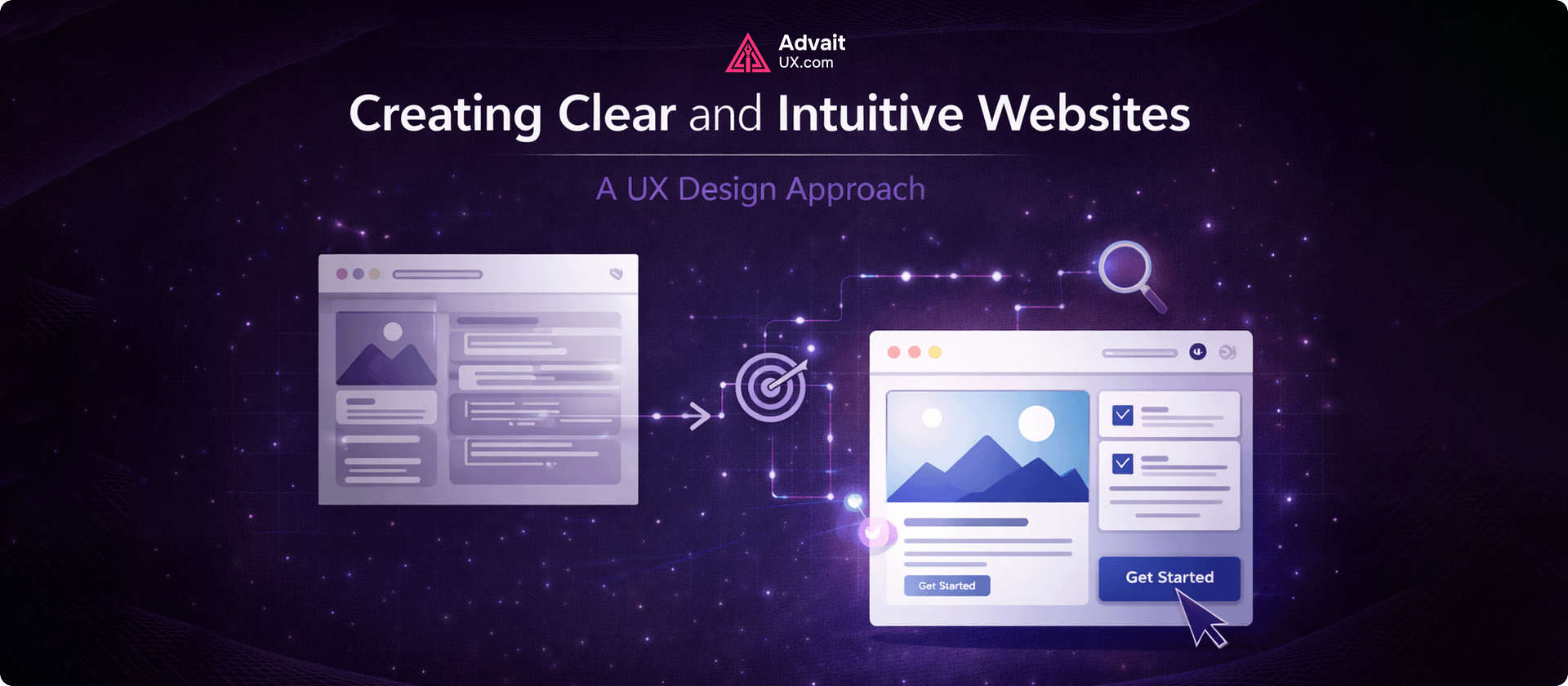
A structured and intuitive navigation system allows users to move through your website or app without hesitation. Clear menus, logical page hierarchy, and consistent layout reduce the need for assistance.
In real-world UX projects, simplifying navigation alone has significantly reduced support tickets related to “Where do I find this?”
2. Better Onboarding Minimizes User Errors
First impressions matter. If users don’t understand how to use your product from the start, they’re more likely to get stuck later.
Effective onboarding—guided steps, tooltips, and simple instructions—helps users feel confident.
Many successful platforms, including those designed by a UI UX Designer At Google, prioritize onboarding as a key UX element. The goal is simple: help users succeed without needing support.
3. Self-Explanatory Interfaces Reduce Questions
A good interface doesn’t need explanation.
Buttons should feel clickable, actions should feel obvious, and workflows should feel natural. When users understand what to do instinctively, they don’t need to ask for help.
This is the essence of strong ui ux work—designing systems that communicate without words.
4. Error Prevention & Helpful Feedback
Errors are inevitable—but confusion doesn’t have to be.
Poor UX often leads to unclear error messages like “Something went wrong.” This forces users to contact support.
Instead, effective UX design:
- Prevents errors with smart defaults
- Provides clear, human-friendly error messages
- Offers immediate solutions
For example, telling users exactly what went wrong—and how to fix it—can eliminate a large number of support requests.
5. Faster Task Completion
The longer it takes users to complete a task, the higher the chance they’ll encounter problems.
Streamlined workflows reduce friction and make tasks easier. Whether it’s signing up, making a purchase, or submitting a form, simplicity matters.
A skilled UI UX Company focuses on reducing steps and making interactions efficient—saving time for both users and support teams.
Real-World Insight: UX vs Support Costs
From practical UX experience, one pattern is clear—every usability issue has a cost.
For example:
- A confusing checkout process leads to abandoned carts and support queries
- A complex dashboard results in repeated “how-to” questions
- Poor mobile design creates frustration and complaints
In several UX improvement projects, simplifying workflows and improving clarity reduced support tickets by noticeable margins.
At AdvaitUX, the approach is always proactive—solve the problem in design, not in support.
UX Design vs Customer Support: A Cost Comparison
Investing in UX may seem like an upfront cost, but it pays off quickly.
Consider this:
- Each support ticket requires time, staff, and resources
- Repeated issues increase operational costs
- Poor experiences lead to customer churn
On the other hand, improving UX:
- Reduces repetitive queries
- Enhances user satisfaction
- Improves retention
Over time, the savings from reduced support can outweigh the initial UX investment.
Key UX Areas That Impact Support Costs
1. Information Architecture
Organizing content clearly helps users find answers without assistance.
A well-structured website reduces dependency on support teams.
2. Microcopy & Instructions
Small pieces of text—like labels, hints, and messages—play a big role.
Clear microcopy prevents confusion and guides users effectively.
3. Consistent Design Patterns
Consistency builds familiarity. When users recognize patterns, they learn faster and make fewer mistakes.
4. Accessibility & Inclusivity
Designing for all users—including those with disabilities—reduces frustration and improves usability for everyone.
Common UX Mistakes That Increase Support Costs
Avoiding these mistakes can significantly reduce user issues:
- Overcomplicated interfaces
- Hidden features or unclear actions
- Lack of feedback after user actions
- Poor mobile optimization
- Inconsistent navigation
Even small design flaws can create repeated support problems.
How AdvaitUX Approaches UX to Reduce Costs
At AdvaitUX, UX design is not just about aesthetics—it’s about solving real business problems.
Every project focuses on:
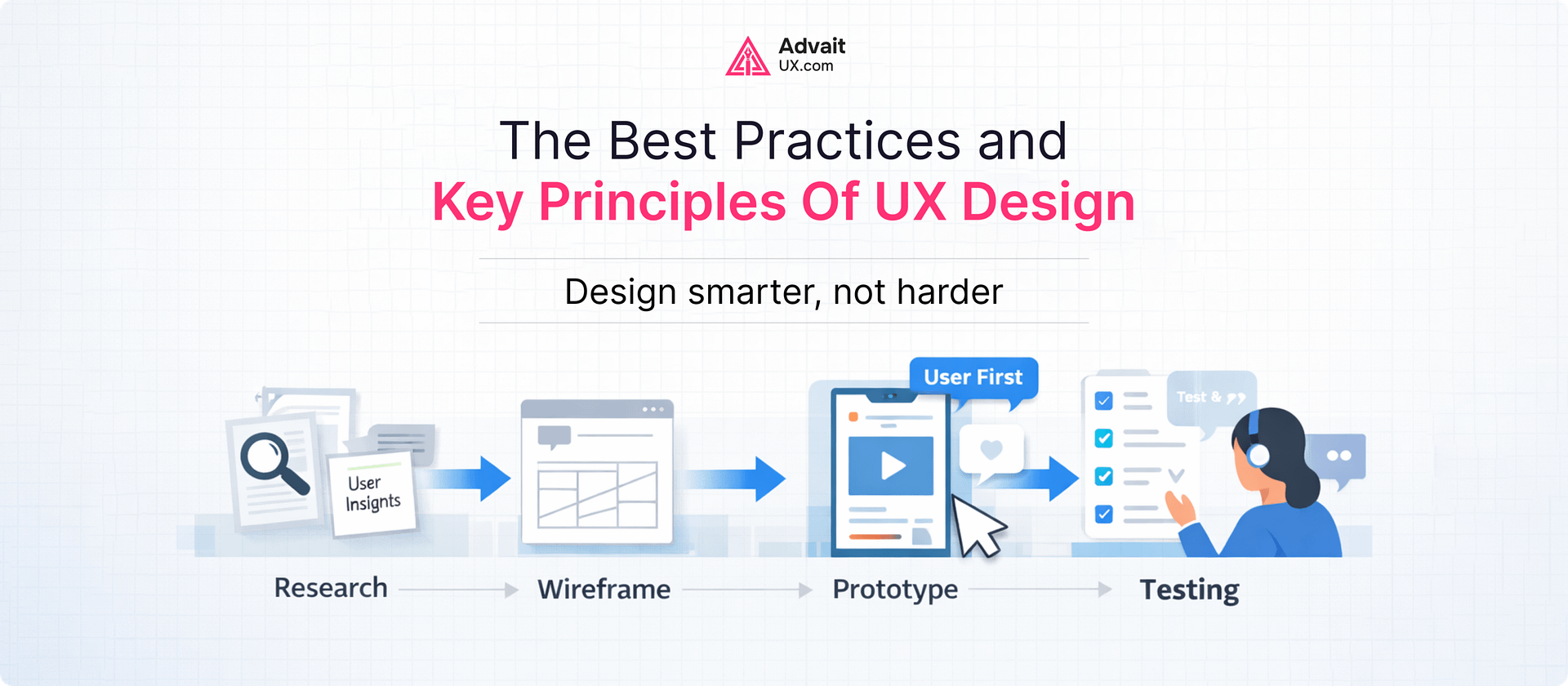
- Understanding user behavior
- Identifying friction points
- Simplifying interactions
- Designing intuitive workflows
The goal is to create experiences where users don’t need help—because everything just works.
This practical, user-first approach has helped businesses reduce support load while improving overall satisfaction.
Practical Steps You Can Take Today
You don’t need a complete redesign to start improving UX.
Here are simple steps you can implement:
- Review your most common support queries
- Identify patterns in user complaints
- Simplify key workflows
- Improve error messages
- Test your website from a user’s perspective
Even small changes can make a big difference.
The Bigger Picture: UX as a Business Strategy
UX is no longer just a design function—it’s a business strategy.
Companies that invest in UX see benefits across multiple areas:
- Reduced operational costs
- Improved customer satisfaction
- Higher conversion rates
- Stronger brand trust
The influence of UX can be seen in products developed by leading designers, including those working as a ui ux designer at google, where user-centered thinking drives every decision.
Conclusion: Design Better, Support Less
Reducing customer support costs isn’t about cutting resources—it’s about eliminating the need for support in the first place.
From real-world experience, the most effective solution is simple: design better experiences.
When users can navigate easily, understand quickly, and complete tasks smoothly, they don’t need help. And when they don’t need help, your support costs go down.
At AdvaitUX, the focus is on creating intuitive, user-friendly digital user experiences that reduce friction and drive results. Every design decision is guided by one question: “Will this make things easier for the user?”
If you’re looking to reduce support costs while improving user satisfaction, now is the time to invest in better UX.
Visit AdvaitUX.com to explore UX-driven solutions
Contact the team for a consultation and discover how smarter design can transform your business
Great UX doesn’t just improve usability—it improves efficiency, trust, and long-term growth.