Short answer: Mental models are the assumptions users bring about how something should work, based on prior experience with similar products. Designs that match mental models feel intuitive; designs that violate them feel broken — even when the design is objectively elegant. (Further reading: NN/g — mental models.)
📅 Last updated: June 6, 2026
⏱ 5 min read · 1,112 words
Related reading: see the core principles of UX design and psychology in UX design. Want help applying this to your product? Explore our UI/UX design services.
Have you ever used an app for the first time and just knew how it worked?
No instructions. No confusion. No learning curve.
That’s not luck. That’s good UX design—and at the center of it are mental models.
Mental models are the expectations users bring with them. They’re built from past experiences, habits, and familiar patterns. When your product aligns with those expectations, it feels intuitive. When it doesn’t, users struggle—and often leave.
This is why every experienced UI UX Design Services Company pays close attention to mental models. Because designing for users starts with understanding how they already think.
What Are Mental Models in UX Design?
A mental model is how a user believes something should work.
For example:
- A shopping cart icon means “add to cart”
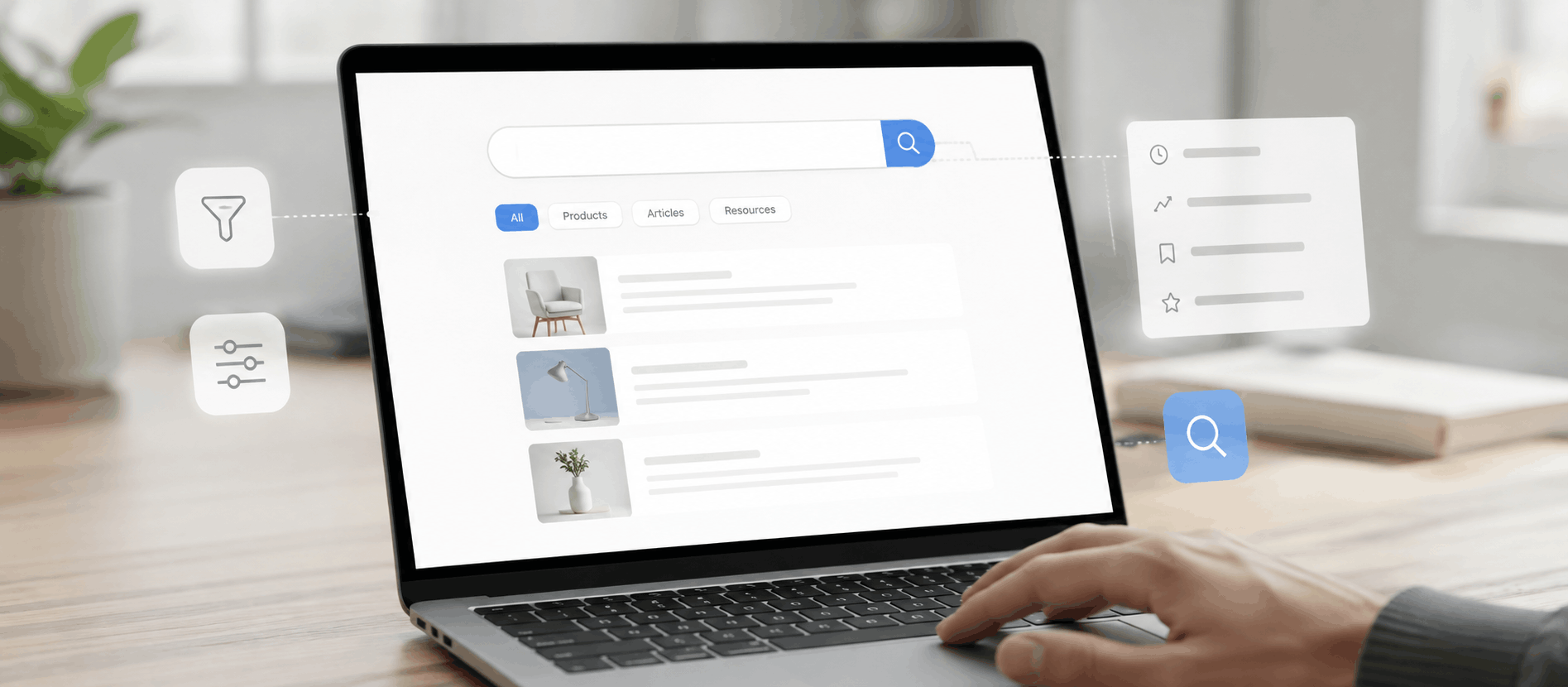
- A magnifying glass means “search”
- Swiping left usually means “delete” or “next”
These expectations aren’t taught—they’re learned over time.
Good UX doesn’t force users to learn new behaviors. It builds on what they already know.
Why Mental Models Matter More Than You Think
Most usability issues don’t come from complex features. They come from broken expectations.
When a user clicks something and the result doesn’t match what they expected, friction begins.
That friction leads to:
- Confusion
- Hesitation
- Drop-offs
On the other hand, when your interface aligns with user expectations, everything feels effortless.
That’s the real goal of UX—not innovation for the sake of it, but clarity.
Mental Models vs System Models
There’s often a gap between how a system works and how users think it works.
- System model: How the product is built
- Mental model: How users believe it works
Good UX design bridges that gap.
You don’t design for how the system functions internally. You design for how users perceive it.
This is where many products fail—they prioritize logic over understanding.
A strong ux design software workflow ensures both models are aligned before development begins.
Real-World Example: When Mental Models Work
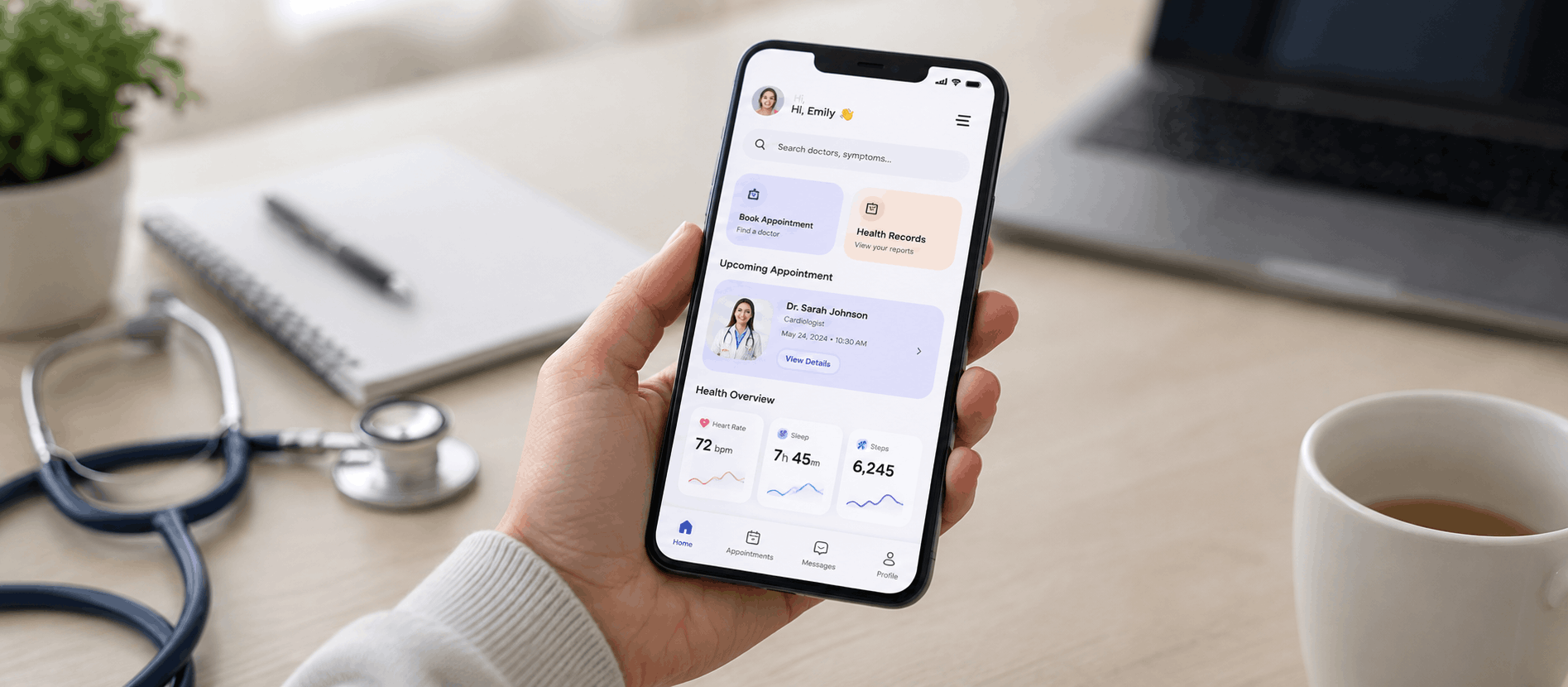
Think about online banking apps.
Users expect:
- Clear balance visibility
- Simple transaction flows
- Familiar icons for payments
If these expectations are met, users feel confident.
If not, even a secure and powerful system can feel confusing.
At AdvaitUX, we’ve seen this firsthand—small mismatches in mental models can create major usability issues.
Fixing them often leads to immediate improvements in engagement.
Designing with Mental Models in Mind
Understanding mental models is one thing. Designing for them is another.
Here’s how experienced teams approach it.
1. Start with User Research
You can’t guess mental models.
You have to observe:
- How users interact with similar products
- What patterns they expect
- Where they get confused
This is why structured Research is a key part of any ui ux design services company.
Without it, design decisions are just assumptions.
2. Use Familiar Patterns
Users don’t want to relearn everything.
Using familiar UI patterns helps:
- Reduce learning time
- Increase confidence
- Improve usability
For example:
- Navigation menus at the top or side
- Clear call-to-action buttons
- Standard form layouts
Innovation should never come at the cost of clarity.
3. Maintain Consistency
Consistency reinforces mental models.
If a button behaves one way on one screen, it should behave the same everywhere.
Inconsistent behavior breaks trust.
That’s why design systems play a critical role in scaling good UX.
4. Test Early and Often
Even the best assumptions can be wrong.
Testing helps you identify:
- Where users hesitate
- Where expectations break
- What needs adjustment
A well-structured UX Design Software process includes continuous testing—not just final validation.
5. Educate When Needed
Sometimes, you do need to introduce something new.
When that happens, guide users:
- Use microcopy
- Provide visual cues
- Keep interactions simple
Don’t leave users guessing.
Common Mistakes Designers Make
Even experienced teams can overlook mental models.
Here are common pitfalls:
Over-innovation
Trying to be unique often leads to confusion.
Ignoring user behavior
Designing based on assumptions instead of research.
Inconsistent interactions
Changing patterns across screens.
Complex flows
Forcing users to think too much.
Avoiding these mistakes is what separates average design from effective ui ux design services company work.
Mental Models in Modern UX Design
As digital products evolve, so do mental models.
Users today expect:
- Faster interactions
- Cleaner interfaces
- Predictable behavior across devices
This is especially important in mobile-first design.
A modern UX Design Online Masters approach teaches designers to adapt to these evolving expectations—not fight them.
A Practical Insight from Real UX Work
In real projects, mental models are often the hidden reason behind user frustration.
We’ve seen cases where:
- Users couldn’t find key features
- Navigation felt unclear
- Actions didn’t match expectations
And the solution wasn’t redesigning everything.
It was aligning the interface with what users already expected.
At AdvaitUX, this approach has helped improve usability without adding complexity.
Because good UX isn’t about adding more—it’s about making things make sense.
Final Thoughts: Design for How People Think
Mental models are not optional in UX design. They are foundational.
If your product aligns with how users think, it feels easy.
If it doesn’t, no amount of visual polish will fix it.
The best digital products don’t teach users how to use them.
They feel familiar from the very first interaction.
That’s the power of designing with mental models.
Want to Build More Intuitive Products?
If your users feel confused, hesitate, or drop off, the issue may not be features—it may be alignment.
At AdvaitUX, we help businesses design products that match how users think, not just how systems work.
Explore our
services
Or reach out to our team for a consultation. We’re here to help you create experiences that feel natural, intuitive, and easy to use.
💡 Working on your own product? Start with a structured UX audit to surface the highest-impact friction in 1–3 weeks, or get in touch to scope a project with our Austin-based team. You can also see our recent UI/UX projects for examples.
Frequently Asked Questions
What are mental models in UX?
Mental models are the assumptions users bring about how something should work, based on prior experience with similar products. Designs that match mental models feel intuitive; designs that violate them feel broken.
How do you design for mental models?
Research how your users already do the task (with or without your product), then mirror those patterns in flow, language, and structure. Don’t invent new metaphors when an established one already works.
About the Author
Darshan Italiya is the Founder & UX Lead at AdvaitUX, a UI/UX design agency based in Austin, TX. A Google-certified UI designer with 7+ years of experience and 70+ shipped product designs, he writes about user-centered design, UX strategy, and conversion-focused interfaces. Learn more about AdvaitUX or connect on LinkedIn.