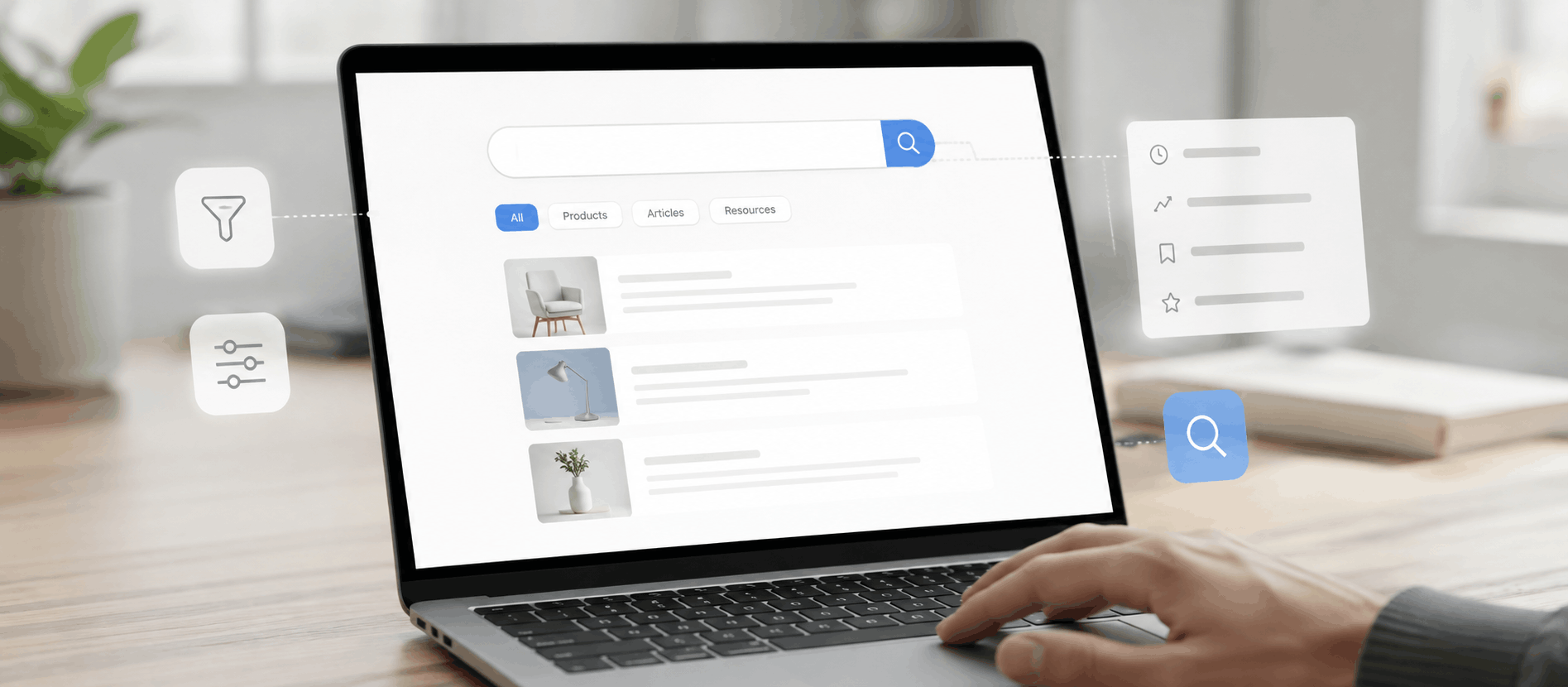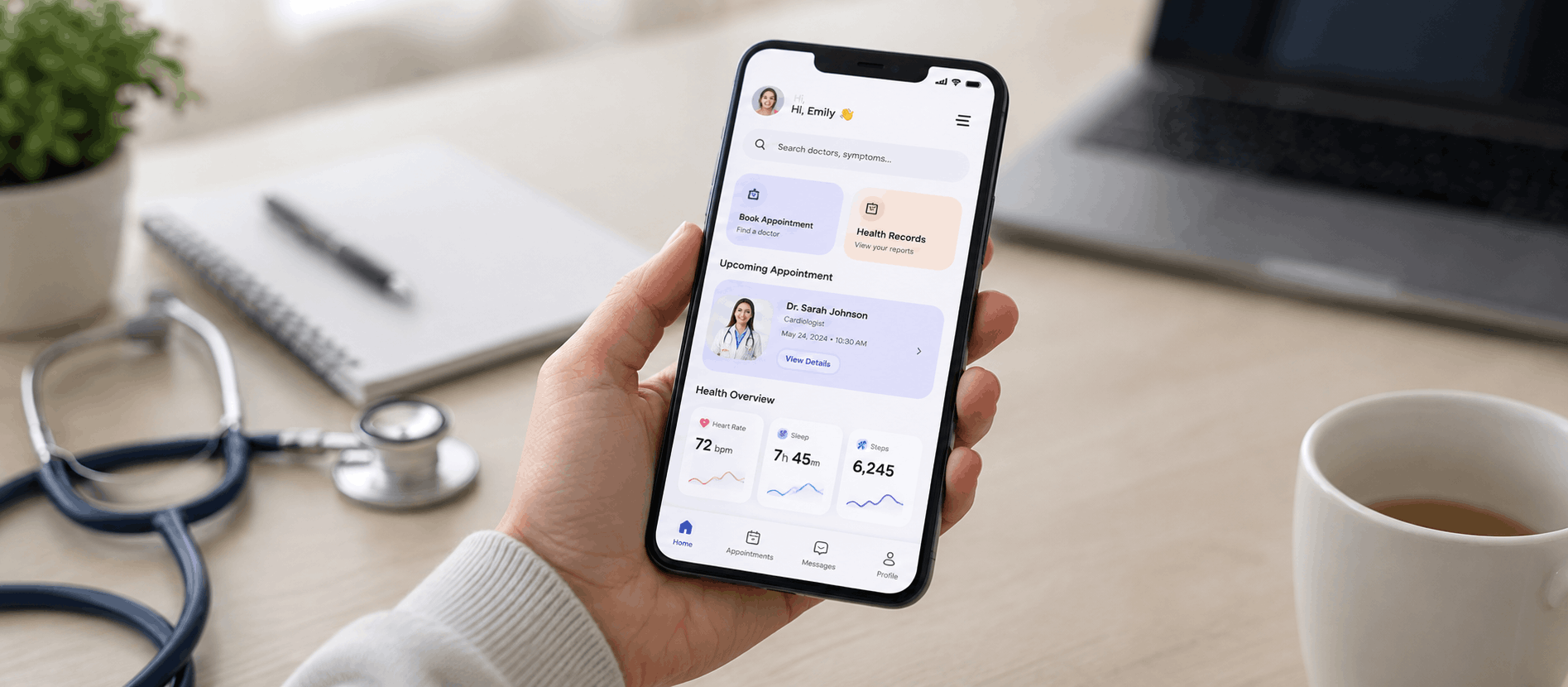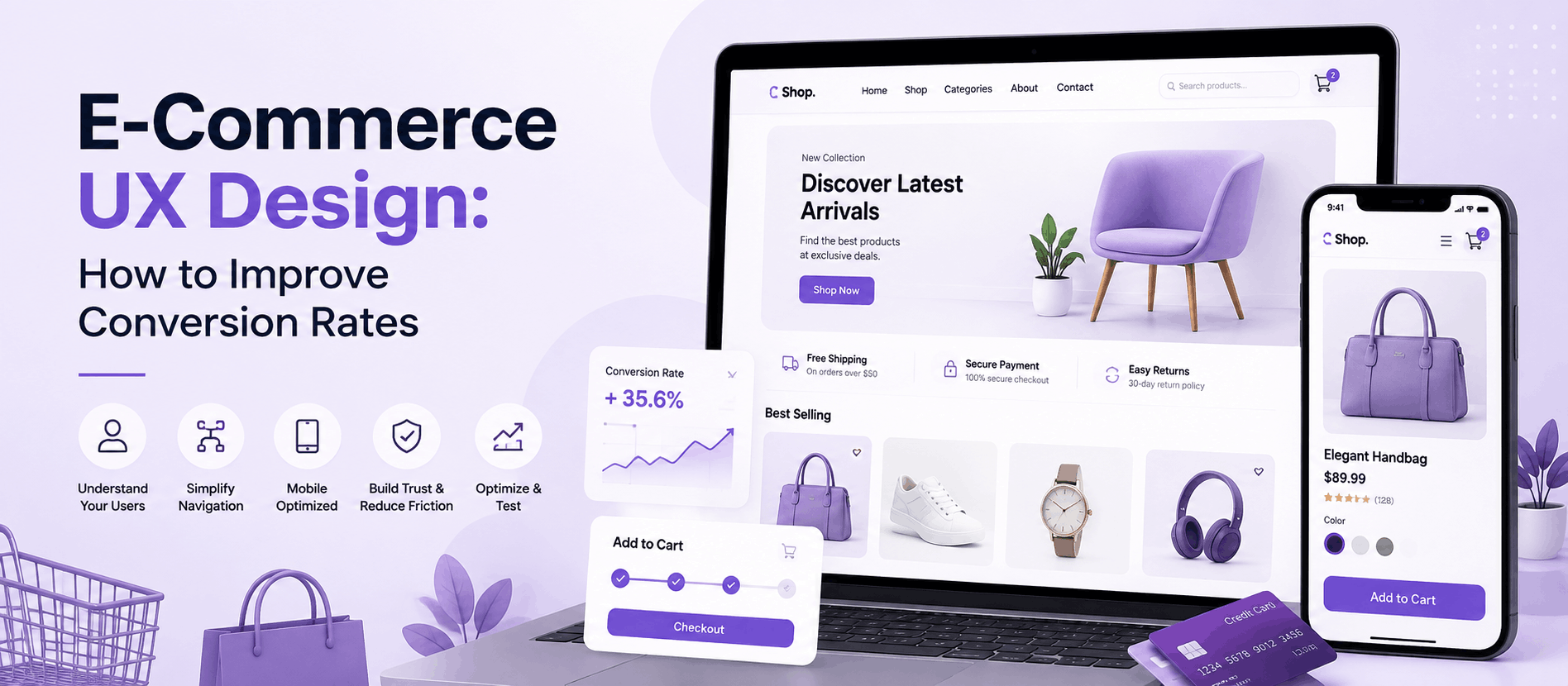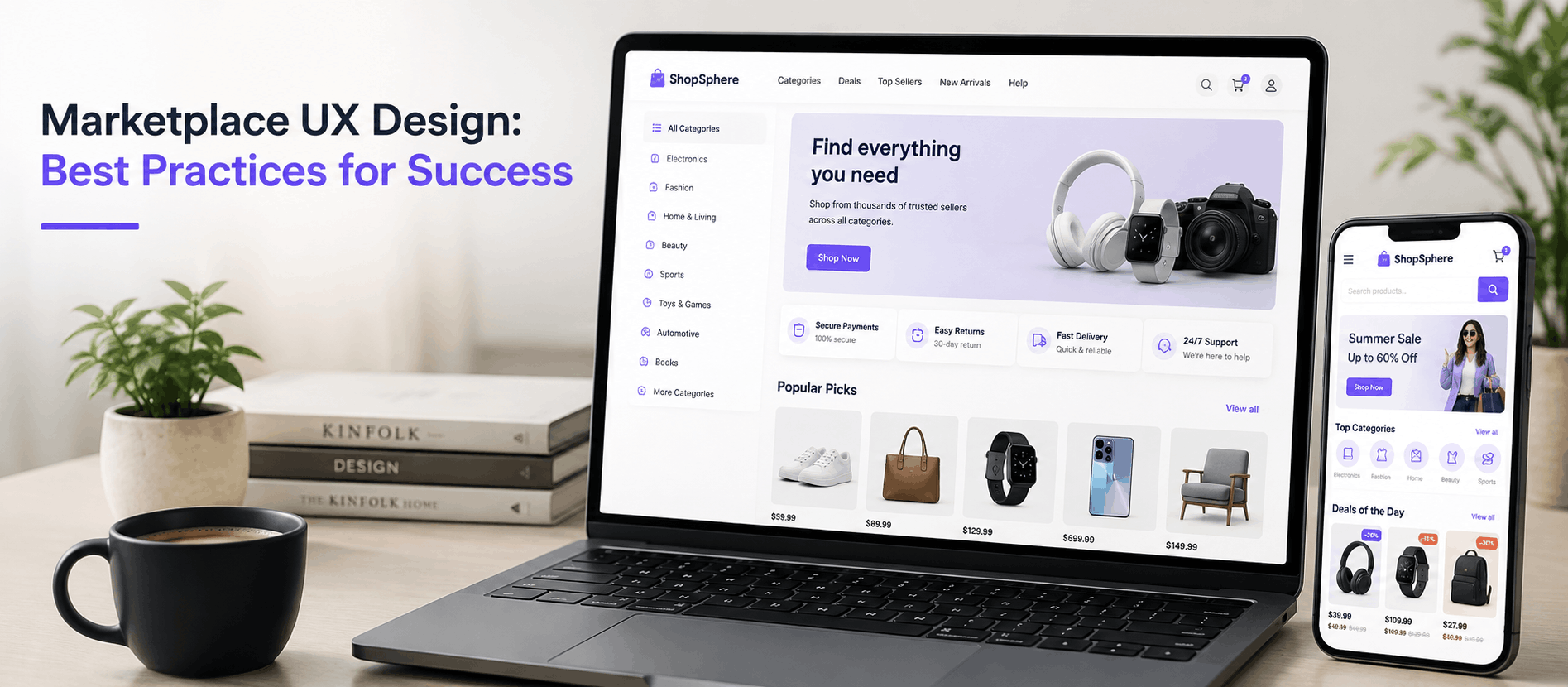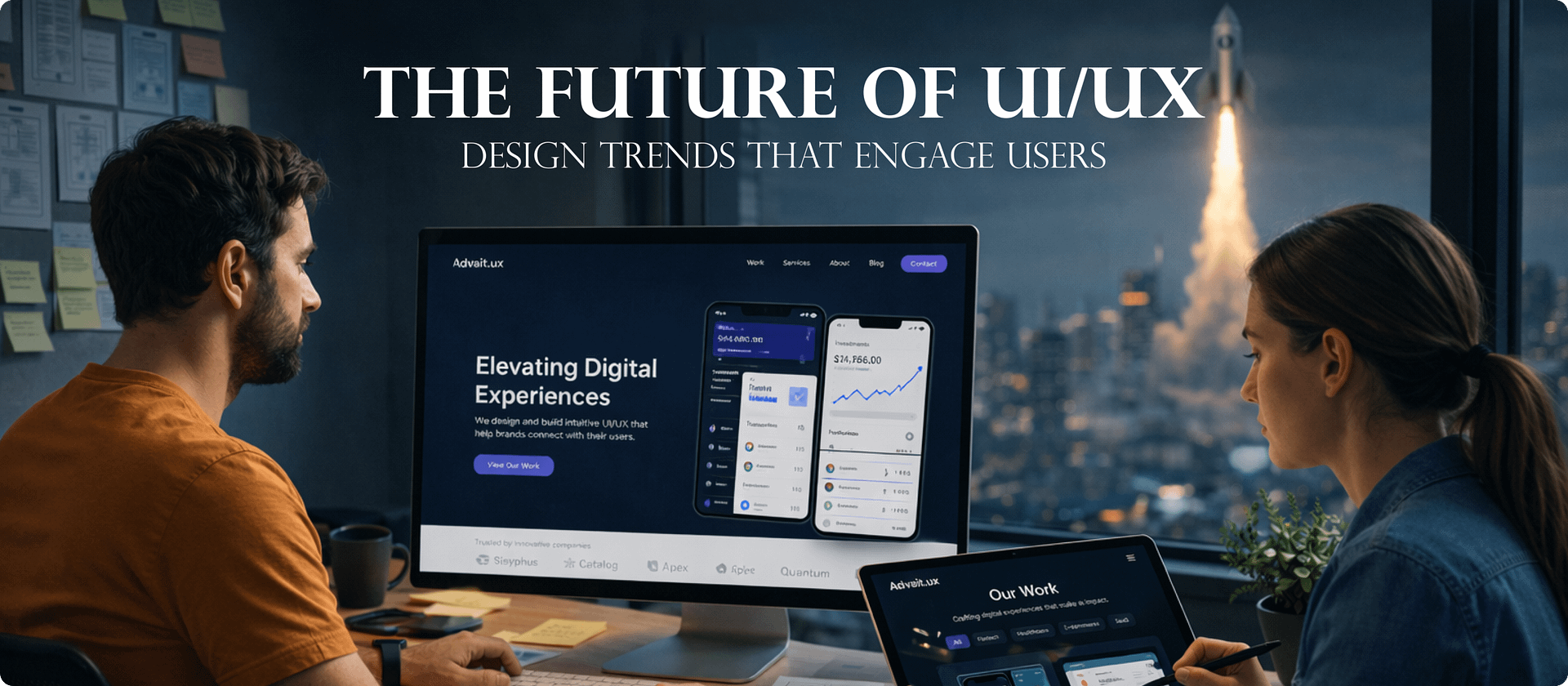
Short answer: The biggest UI/UX trends shaping 2026 are AI-driven personalization, voice & conversational interfaces, accessibility as a legal baseline (European Accessibility Act), adaptive UI, micro-interactions, and performance-first design. Brands that treat accessibility and speed as defaults — not extras — are winning trust and conversions. (See also: NN/g — current UX trends.)
📅 Last updated: June 6, 2026
⏱ 6 min read · 1,284 words
The digital world is evolving fast—and so are user expectations. Today, users don’t just want products that work; they expect seamless, intuitive, and meaningful experiences. That’s where modern UI/UX designing services play a critical role.
Businesses that invest in user experience are no longer just improving usability—they’re building trust, increasing engagement, and driving conversions. As we move into 2026, several emerging UI UX design trends are reshaping how digital products are created and experienced.
In this article, we’ll explore the most impactful trends and what they mean for businesses looking to stay ahead.
Updated for 2026: alongside AI-driven personalization and voice interfaces, accessibility has become a legal baseline — the European Accessibility Act took effect in 2025 — so inclusive, WCAG-compliant design is now a core trend rather than a nice-to-have. To go further, read what the future of UX design holds, the top UI/UX design trends across Europe and the USA, and our complete guide to UI/UX design. Want these trends built into your product? Explore our UI/UX design services.
Why UI/UX Design Matters More Than Ever
User experience is no longer optional—it’s a competitive advantage.
A well-crafted UI UX design website ensures that users can navigate effortlessly, find value quickly, and enjoy the interaction. Poor design, on the other hand, leads to frustration, higher bounce rates, and lost revenue.
From startups to enterprise brands, companies are realizing that investing in UX is not just about design—it’s about business growth.
1. Human-Centered Design Takes Priority
Design is shifting from product-focused to people-focused.
Instead of asking, “What features should we build?” designers now ask, “What problems are users trying to solve?” This mindset leads to more meaningful and impactful solutions.
Human-centered design involves:
- Deep user research
- Behavioral insights
- Continuous testing and feedback
At AdvaitUX, we’ve seen firsthand how aligning design decisions with real user needs significantly improves engagement and retention.
2. Simplicity and Minimalism Continue to Dominate
Users are overwhelmed with information. Clean, distraction-free interfaces help them focus on what truly matters.
Minimalist design is not about removing elements—it’s about removing friction.
Key elements include:
- Clear navigation
- Generous white space
- Focused content hierarchy
A well-structured interface improves usability and ensures users don’t feel lost or confused.
3. Micro-Interactions Enhance Engagement
Small details make a big difference.
Micro-interactions—like button animations, hover effects, or subtle feedback—create a sense of responsiveness and delight. These elements guide users without overwhelming them.
For example:
- A loading animation that reduces perceived wait time
- A subtle vibration or color change on interaction
- Progress indicators during multi-step processes
These small touches improve usability while making the experience feel more human.
4. AI-Driven Personalization
Personalization is becoming a standard expectation.
Modern UX company strategies now leverage AI to deliver tailored experiences based on user behavior, preferences, and history.
Examples include:
- Personalized dashboards
- Smart recommendations
- Adaptive interfaces
When users feel understood, they are more likely to engage and return.
5. Voice and Conversational Interfaces
With the rise of voice assistants and AI chat tools, conversational design is gaining momentum.
Users now prefer interacting with systems in natural language rather than navigating complex menus.
This trend focuses on:
- Voice-enabled navigation
- Chat-based interfaces
- AI-powered customer support
Designing for conversation requires clarity, simplicity, and a deep understanding of user intent.
6. Accessibility as a Core Design Principle
Inclusive design is no longer optional—it’s essential.
Accessible design ensures that digital products can be used by people of all abilities. This includes considerations for:
- Visual impairments
- Cognitive differences
- Motor limitations
Beyond ethics, accessibility also expands your audience and improves overall usability.
7. Dark Mode and Adaptive UI
Dark mode is more than a trend—it’s a user preference.
Many users choose interfaces that reduce eye strain, especially in low-light environments. Adaptive UI takes this further by adjusting based on user context.
This includes:
- Theme switching (light/dark)
- Device-based optimization
- Context-aware layouts
Flexibility in design leads to a more personalized and comfortable experience.
8. Data-Driven Design Decisions
Guesswork is no longer enough.
Modern design relies heavily on data—analytics, heatmaps, and user testing—to guide decisions. This ensures that every design choice is backed by real insights.
At AdvaitUX, we continuously analyze user behavior to refine and optimize digital experiences. This approach not only improves usability but also drives measurable business results.
9. Emotional Design and Storytelling
Users connect with experiences, not just interfaces.
Emotional design focuses on creating moments that resonate—through visuals, content, and interaction. Storytelling plays a key role in guiding users through a journey.
This can be achieved through:
- Engaging visuals
- Relatable content
- Thoughtful user flows
When users feel something, they remember it—and they come back.
10. Faster, Performance-Driven Experiences
Speed is a critical part of UX.
Even a one-second delay can impact user satisfaction and conversion rates. Performance optimization is now a core component of UI/UX designing services.
This includes:
- Optimized images and assets
- Efficient code structures
- Fast-loading interfaces
A fast experience is a seamless experience.
Real-World Insight: What We’ve Learned at AdvaitUX
Working with diverse clients across industries, one thing is clear—there is no one-size-fits-all solution in UX.
However, successful projects share common traits:
- A deep understanding of users
- Iterative design processes
- Continuous improvement based on feedback
We’ve seen businesses transform their digital presence simply by prioritizing usability and user satisfaction.
Conclusion: Designing for the Future
The future of UI/UX is not just about trends—it’s about creating meaningful, user-centered experiences.
From AI-driven personalization to accessibility and performance, every trend points toward one goal: making digital interactions more intuitive, inclusive, and engaging.
Businesses that embrace these changes will not only stay relevant but also build stronger relationships with their users.
Ready to Elevate Your User Experience?
If you’re looking to improve your product, website, or platform, investing in the right UI UX design website strategy can make all the difference.
At AdvaitUX, we combine research, creativity, and data-driven insights to craft experiences that truly connect with users.
Whether you’re building from scratch or optimizing an existing product, our team is here to help.
Reach out to AdvaitUX today and let’s create something users will love.
Frequently Asked Questions
What are the biggest UI/UX design trends in 2026?
In 2026 the leading trends are AI-driven personalization, voice and conversational interfaces, accessibility as a legal baseline (driven by the European Accessibility Act), micro-interactions, adaptive/dark UI, and performance-driven, fast-loading experiences.
Is accessibility now a UX requirement?
Yes. With the European Accessibility Act in force, accessible, WCAG-compliant design is a legal and commercial requirement in many markets — not an optional extra. Inclusive design also widens your audience and improves usability for everyone.
How is AI changing UI/UX design?
AI enables real-time personalization, smarter content and layout adaptation, and faster prototyping. The trend is toward interfaces that adjust to individual users while designers focus on strategy, ethics, and human-centered decisions.
💡 Working on your own product? Start with a structured UX audit to surface the highest-impact friction in 1–3 weeks, or get in touch to scope a project with our Austin-based team. You can also see our recent UI/UX projects for examples.
About the Author
Darshan Italiya is the Founder & UX Lead at AdvaitUX, a UI/UX design agency based in Austin, TX. A Google-certified UI designer with 7+ years of experience and 70+ shipped product designs, he writes about user-centered design, UX strategy, and conversion-focused interfaces. Learn more about AdvaitUX or connect on LinkedIn.