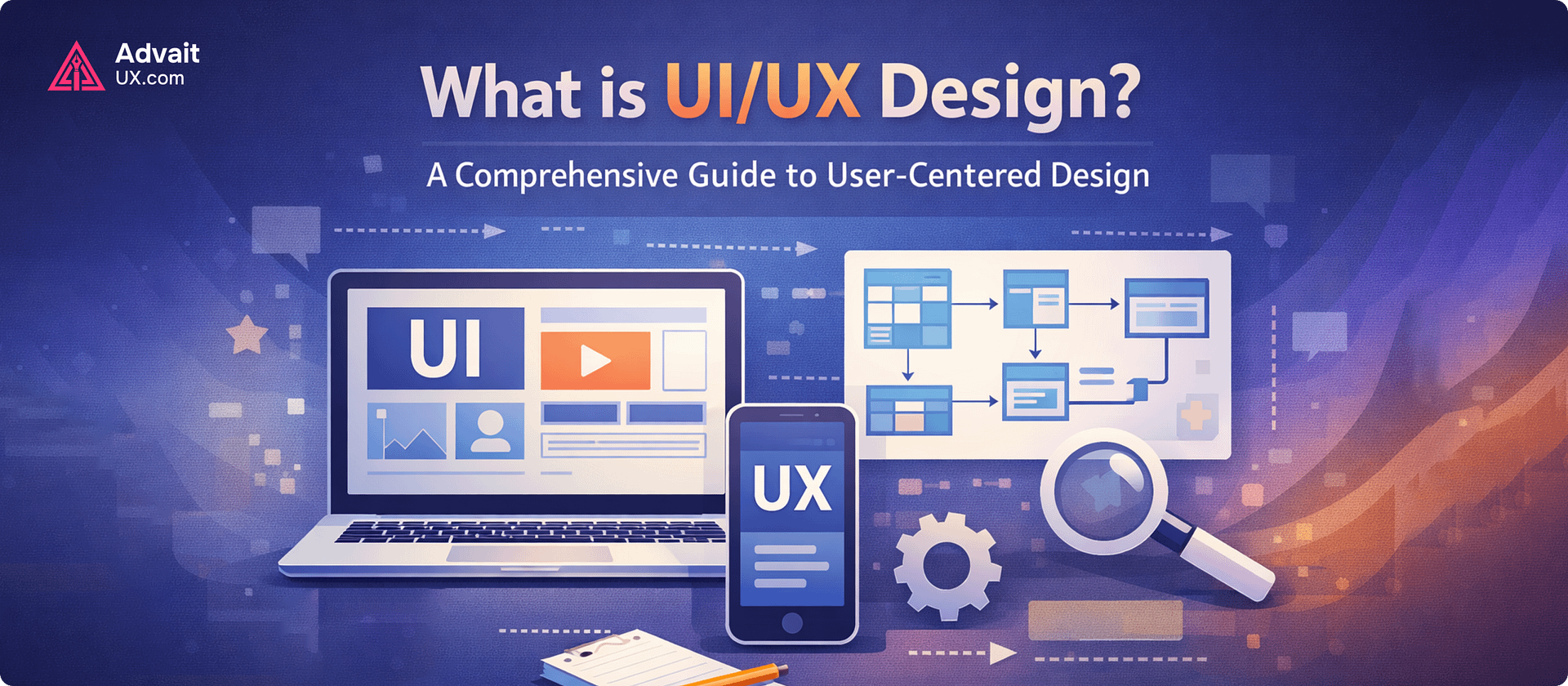
Short answer: UI design is the visual layer; UX design is the experience layer. UI covers buttons, typography, color, and layout — what users see. UX covers research, structure, flow, and usability — how the product feels to use. Great products need both, working from the same user research. (See also: Nielsen Norman Group — definition of user experience.)
📅 Last updated: June 6, 2026
⏱ 6 min read · 1,324 words
digital-first world, the success of any product depends heavily on how users interact with it. Whether it’s a website, mobile app, or software platform, design is no longer just about visuals—it’s about experience. This is where UI/UX Design plays a crucial role.
If you’ve ever left a website because it was confusing or stayed longer because it felt effortless to use, you’ve already experienced the impact of good (or bad) design. In this guide, we’ll break down what UI/UX design really means, why it matters, and how businesses can use it to create meaningful user experiences.
New to UI/UX? Start with the difference between UX and UI design, then learn what a UI/UX strategy is and why you need one, and see what businesses should expect from UI/UX design services. Ready to build? Explore our UI/UX design services.
Understanding UI and UX Design
Although often used together, UI and UX design are not the same.
What is UI Design?
UI (User Interface) design focuses on the visual elements of a product. This includes:
- Buttons
- Typography
- Colors
- Layout
- Icons
A well-crafted UI ensures that a product looks appealing and aligns with the brand identity. In ui ux website design, UI is what users see and interact with directly.
What is UX Design?
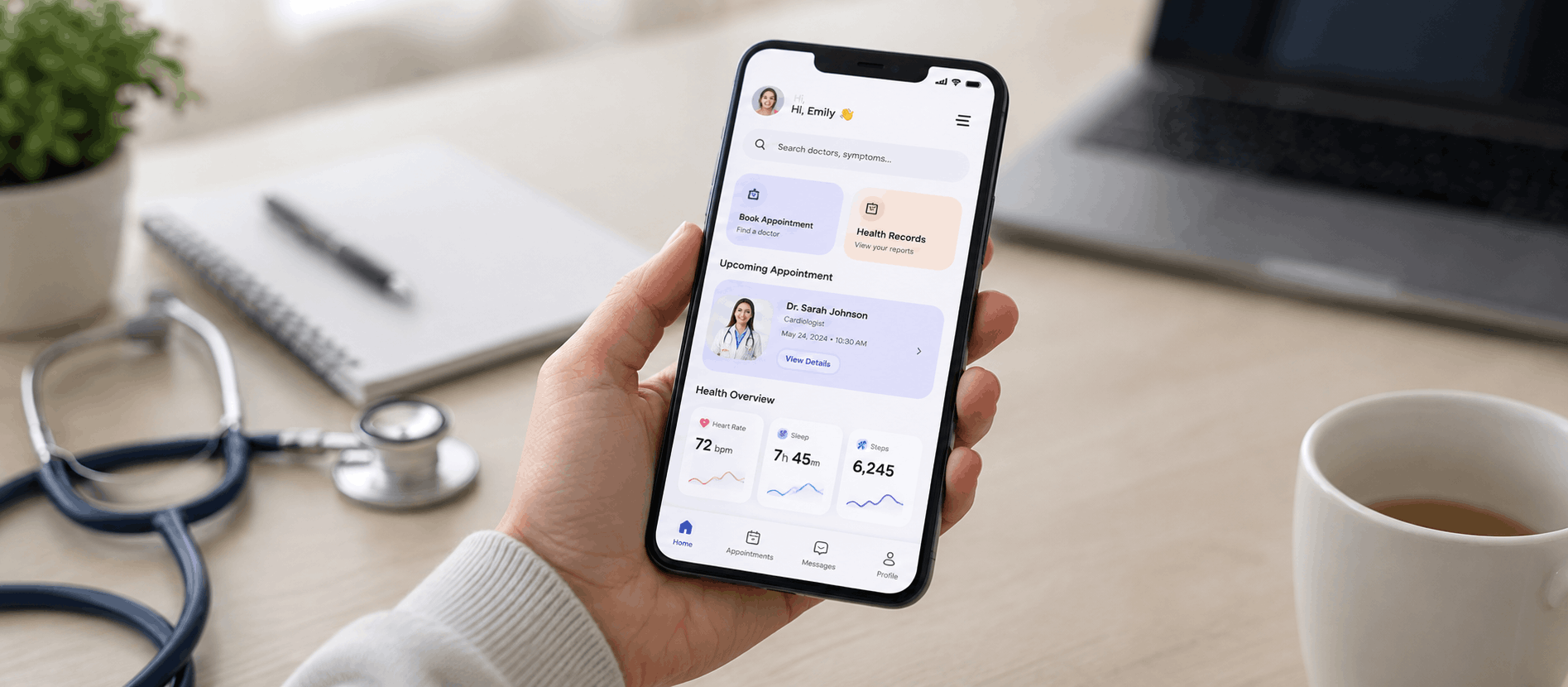
UX (User Experience) design is about how a product feels when users interact with it. It focuses on:
- Usability
- Accessibility
- User journey
- Functionality
UX designers aim to solve problems and make Digital Experiences smooth, intuitive, and efficient.
Together, UI and UX design create a complete experience—one that is both visually appealing and easy to use.
Why UI/UX Design Matters
Good design is not just about aesthetics—it directly impacts business success.
1. Improves User Satisfaction
When users can navigate a website easily, they are more likely to stay longer and engage. A seamless experience builds trust and encourages repeat visits.
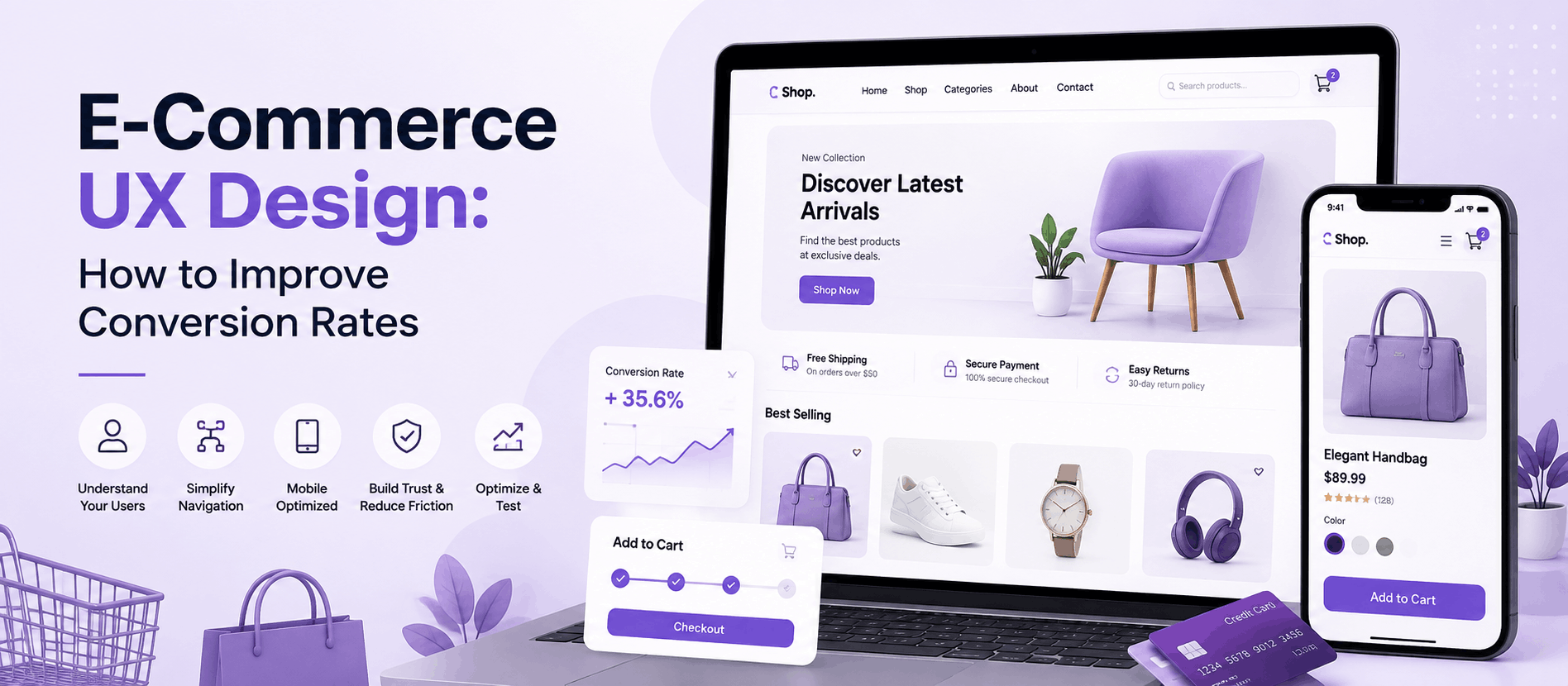
2. Boosts Conversion Rates
A well-structured interface can guide users toward desired actions, such as signing up or making a purchase. Many businesses see measurable growth after investing in
UI UX Design Service improvements.
3. Reduces Development Costs
Fixing usability issues early in the design phase is far more cost-effective than addressing them after development. UX research helps identify problems before they become expensive mistakes.
4. Strengthens Brand Credibility
A polished and user-friendly product reflects professionalism. Users often associate good design with reliability and quality.
Key Principles of User-Centered Design
User-centered design is the foundation of effective UI/UX. It focuses on designing products around real user needs.
Empathy First
Understanding users is the first step. This includes studying their behavior, goals, and challenges. Designers often use interviews, surveys, and analytics to gather insights.
Simplicity and Clarity
Users should not have to think too much. A simple and clear interface reduces friction and improves usability.
Consistency
Consistent design patterns help users learn faster. When elements behave predictably, users feel more comfortable navigating the product.
Accessibility
Design should be inclusive. This means ensuring that people with different abilities can use the product effectively.
The UI/UX Design Process
A structured process ensures better outcomes. While approaches may vary, most professionals follow these core steps:
1. Research
This phase involves understanding the target audience, competitors, and market trends. It lays the foundation for informed design decisions.
2. Wireframing
Wireframes are basic layouts that outline the structure of a product. They focus on functionality rather than visuals.
3. Prototyping
Prototypes are interactive models that simulate user interactions. They help test ideas before development begins.
4. Testing
Usability testing identifies issues and gathers feedback from real users. This step ensures that the final product meets user expectations.
5. Implementation
Once validated, designs are handed over to developers for execution.
Real-World Example of Effective UI/UX
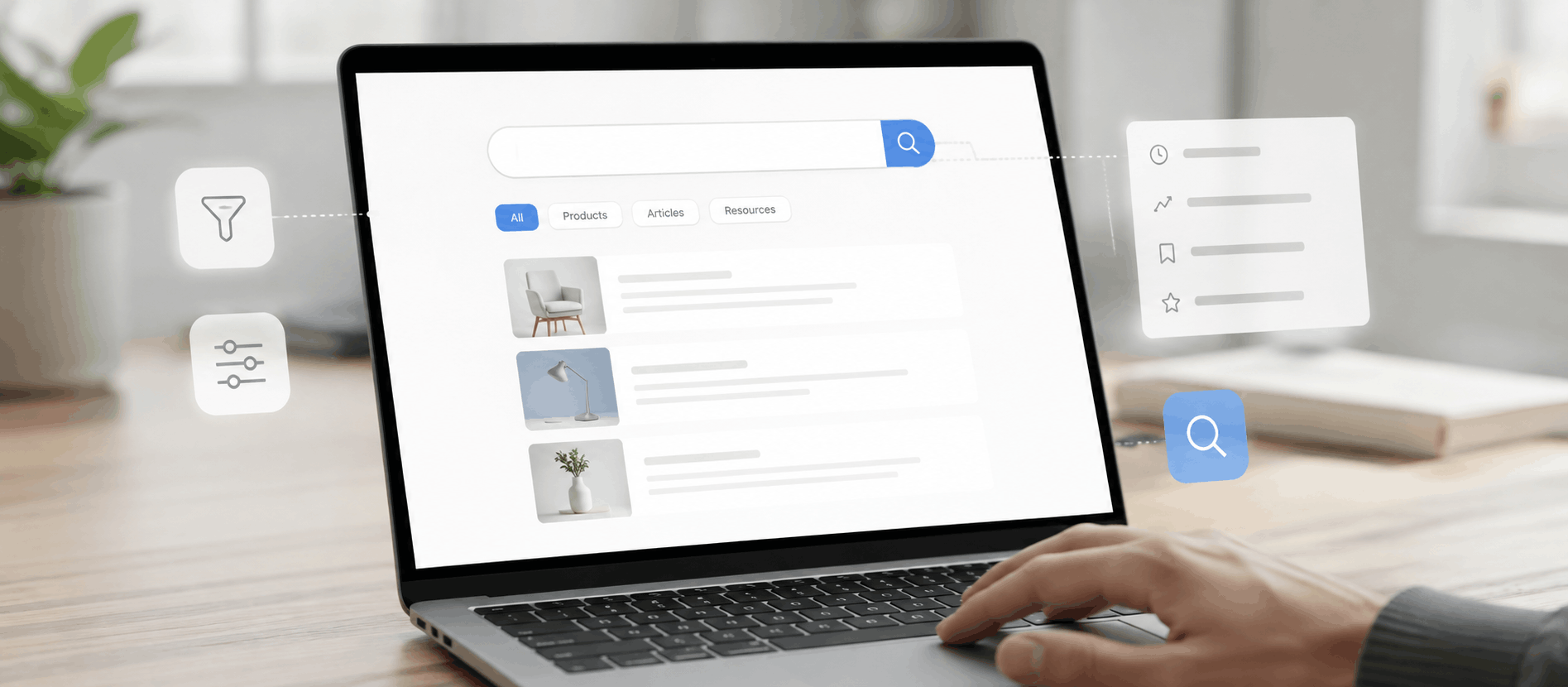
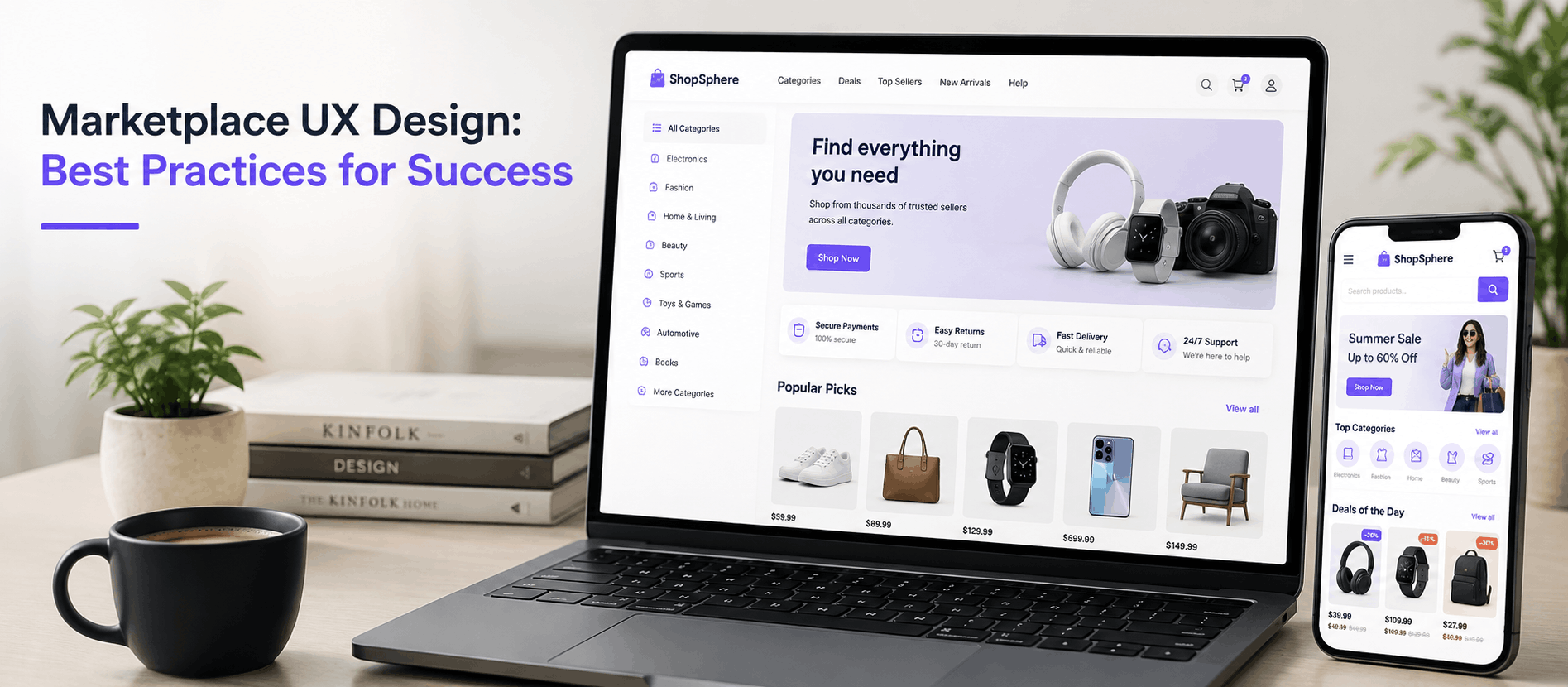
Think about a well-designed e-commerce website. Users can quickly search for products, filter results, and complete purchases without confusion. Every step—from browsing to checkout—is optimized for ease.
Companies that invest in ui-ux design often see improved engagement, lower bounce rates, and higher customer satisfaction. These results are not accidental—they are the outcome of thoughtful design decisions.
What Makes a Great UI/UX Designer?
A successful designer combines creativity with problem-solving skills. While tools and trends evolve, certain qualities remain essential:
- Strong understanding of user behavior
- Attention to detail
- Ability to communicate ideas clearly
- Continuous learning and adaptation
Many aspire to become a UI UX Designer At Google or similar top companies, but the core skills remain the same across all levels—empathy, curiosity, and a user-first mindset.
How Businesses Benefit from UI/UX Design Services
Investing in professional design services can transform how users interact with your product.
At AdvaitUX, the focus is on creating meaningful experiences rather than just attractive interfaces. By combining research-driven strategies with creative execution, businesses can:
- Deliver better user experiences
- Increase customer retention
- Stand out in competitive markets
A well-executed ui ux design service ensures that every interaction adds value to the user journey.
Common Mistakes to Avoid
Even with the best intentions, some design mistakes can negatively impact user experience:
- Overloading interfaces with too many elements
- Ignoring mobile responsiveness
- Skipping user testing
- Designing based on assumptions rather than data
Avoiding these pitfalls can significantly improve the effectiveness of your product.
The Future of UI/UX Design
As technology evolves, so does design. Trends like AI-driven personalization, voice interfaces, and immersive experiences are shaping the future.
However, one thing remains constant: the need for human-centered design. No matter how advanced technology becomes, understanding users will always be at the core of great design.
Conclusion: Designing with Purpose
UI/UX design is more than a process—it’s a mindset. It’s about creating products that people enjoy using, not just tolerate.
From real-world experience, the most successful designs are those that prioritize users at every step. When businesses truly understand their audience, they can create experiences that are both meaningful and impactful.
If you’re looking to improve your product or build something from scratch, investing in thoughtful design is one of the smartest decisions you can make.
At AdvaitUX, the goal is simple: to help businesses create user-centered digital experiences that drive results. Whether you need a complete redesign or expert guidance, the team is always ready to help.
Ready to elevate your digital experience?
Reach out to AdvaitUX today and discover how user-centered design can transform your business.
Looking for a UI/UX design partner near you? Our UI/UX design agency in Austin, TX works with startups and scale-ups across Texas and the US to build products people love.
Frequently Asked Questions
What is the difference between UI and UX design?
UI (user interface) design shapes the visual elements a user interacts with — buttons, typography, colors, and layout. UX (user experience) design shapes how the product feels to use, covering research, structure, flow, and usability. Strong products need both working together.
Why is UI/UX design important for businesses?
Good UI/UX design increases conversions, reduces support costs, and builds trust. When a product is intuitive, users complete tasks faster and return more often — directly improving revenue and retention.
What does the UI/UX design process involve?
It typically moves through research, information architecture, wireframing, visual/UI design, prototyping, and usability testing — then iterates based on real user feedback before and after launch.
💡 Working on your own product? Start with a structured UX audit to surface the highest-impact friction in 1–3 weeks, or get in touch to scope a project with our Austin-based team.
About the Author
Darshan Italiya is the Founder & UX Lead at AdvaitUX, a UI/UX design agency based in Austin, TX. A Google-certified UI designer with 7+ years of experience and 70+ shipped product designs, he writes about user-centered design, UX strategy, and conversion-focused interfaces. Learn more about AdvaitUX or connect on LinkedIn.