Building a digital product on a limited budget is a common challenge UI Solutions for start-ups. Founders often need to move quickly. They must test ideas and attract users. But they shouldn’t spend too much on design too soon. Bad design choices can slow adoption, lower trust, and lead to expensive rework later.
The right UI solutions
balances cost, usability, and scalability. It focuses on solving real user problems while supporting business goals. This is where thoughtful UX strategy becomes more valuable than expensive visuals.
This article covers how start-ups can find budget-friendly UI solutions. It also explains why UX is important in the early stages. Finally, it shares tips on getting the most value from UX and UI investments.
Why UI and UX Matter for Start-ups?
Start-ups compete on clarity, speed, and ease of use.
A product that feels intuitive builds confidence quickly. Users understand the value faster and are more likely to continue using it. This directly affects activation, retention, and early growth.
The real value of UX design is not about perfection. It is about reducing friction and helping users succeed with minimal effort. Even simple UX improvements can dramatically improve conversion rates and user satisfaction.
Ignoring UX early often leads to higher costs later.
Budget-friendly UI does not mean low quality
A common misconception is that good design is expensive.
In reality, inefficient design processes cost more than strategic ones. Over-designed interfaces, unnecessary features, and unclear flows waste both time and budget.
A budget-friendly UI solutions focuses on:
- Clear user flows
- Simple, functional interfaces
- Reusable components
- Design decisions backed by user insights.
This approach delivers results without unnecessary complexity.
Start with an audit, not a redesign
Startups should know what designs work well and what do not before invest in new ones.
An Audit UX process evaluates usability, navigation, accessibility, and interaction patterns. It highlights friction points that affect users the most.
Audits help teams prioritise fixes instead of guessing. Small improvements—like clearer CTAs or simplified onboarding—often deliver the highest ROI.
For early-stage start-ups, audits are one of the most cost-effective UX investments.
UX Design Stages That Fit Start-up Budgets
1. User Research on a Lean Scale
User research does not need large budgets.
Simple interviews, usability tests, and feedback sessions reveal critical insights. Even five user conversations can uncover major usability issues.
This step ensures the product solves real problems instead of assumed ones.
2. Defining Core User Flows
Startups should focus on one or two primary user journeys.
Clear task flows reduce confusion and shorten learning curves. Users should always know what to do next.
This stage prevents feature overload and keeps the UI focused on outcomes.
3. Wireframes before visual design
Wireframes allow teams to test structure without investing in visuals too early.
They help confirm layout, hierarchy, and interaction logic. Changes at this stage are faster and cheaper.
This is one of the most practical ways to control design costs.
4. Simple, Scalable UI Systems
A basic design system saves money over time.
Reusable components, consistent spacing, and standard UI patterns reduce design and development effort. They also make future updates easier.
This approach supports growth without repeated redesigns.
5. Testing and Iteration
Testing does not end after launch.
Start-ups should observe how users interact with the product and adjust accordingly. Small iterations improve usability without major redesign costs.
Continuous improvement keeps the UI relevant as the product evolves.
The Role of User Experience Psychology
Understanding user experience psychology helps startups design smarter, not harder.
Users prefer clarity over creativity. They look for familiar patterns and predictable behaviour. Cognitive load, attention span, and decision fatigue all affect how people use interfaces.
Good UX design applies psychology by:
- Reducing choices
- Highlighting primary actions.
- Using clear language.
- Providing feedback and reassurance.
These principles cost nothing but significantly improve usability.
Hiring a UX Designer vs Outsourcing
Many startups struggle with this decision.
Hiring a full-time UX designer can be expensive and may not be necessary in the early stages. Outsourcing or working with an agency often provides better flexibility.
Agencies offer cross-project experience, proven workflows, and strategic guidance without long-term overhead. This is especially valuable when budgets are tight.
The key is choosing partners who understand start-up constraints.
Why are UI/UX services a smart start-up investment?
Professional UI/UX services focus on outcomes, not deliverables.
They do more than create screens. They guide the product direction, prioritise features, and align design with business goals.
This strategic support prevents costly mistakes and accelerates product-market fit. It also ensures that limited budgets are spent where they matter most.
UX services pay for themselves when done correctly.
Real-World UX Lessons from Start-up Projects
Across startup projects, similar patterns emerge.
Products fail not because of a lack of features, but because users do not understand them. Confusing onboarding, unclear value propositions, and inconsistent interfaces cause early drop-offs.
Startups that prioritise clarity see better engagement. This is true even with a simple UI. Retention also improves.
The lesson is simple: usability scales better than visual complexity.
How AdvaitUX Supports Budget-Conscious Start-ups
At AdvaitUX, UX design is approached with a business-first mindset.
The team works with start-ups to:
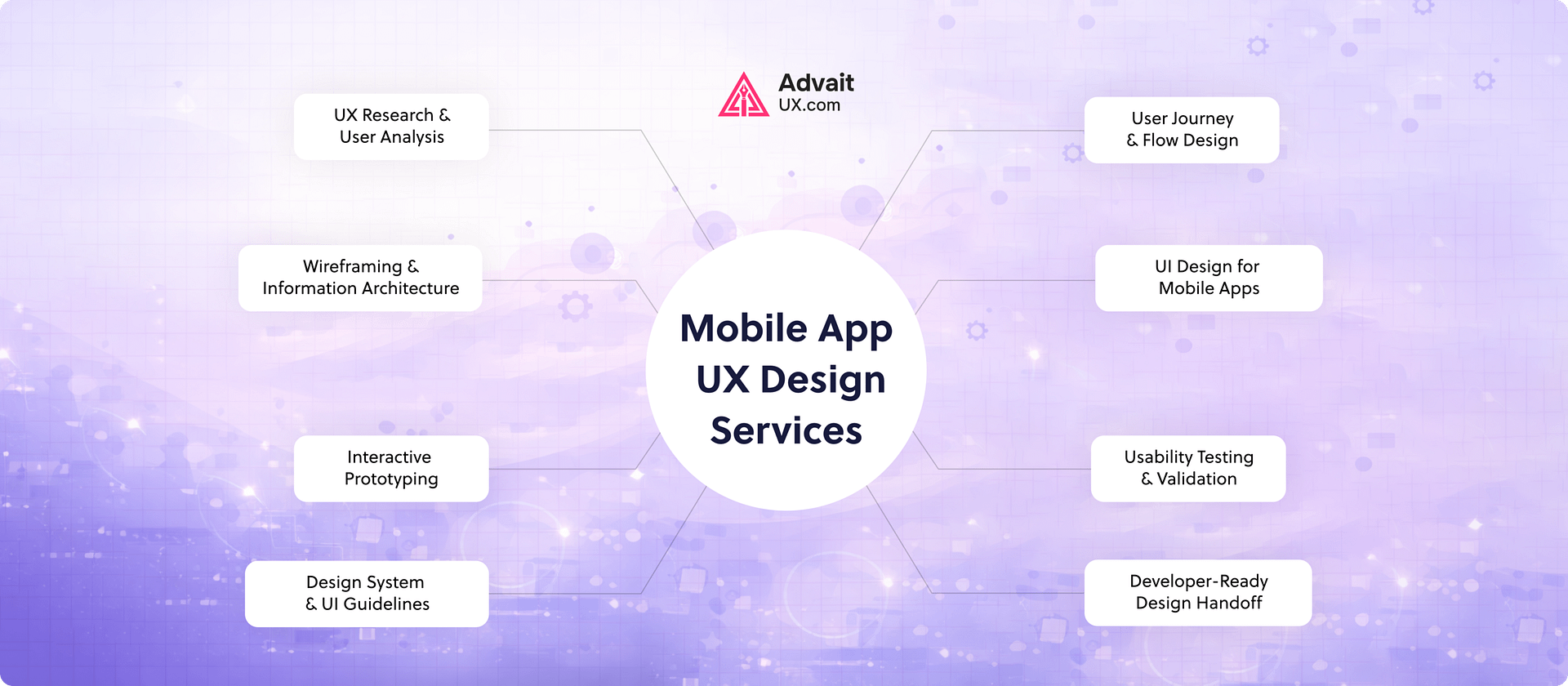
- Conduct focused UX audits.
- Define lean UX strategies.
- Design scalable UI systems.
- Prioritise high-impact improvements.
The goal is to avoid over-designing. We want to create experiences that encourage growth and stay within budget.
AdvaitUX offers consultation and flexible engagement models tailored to early-stage and growing start-ups.
Conclusion: Smart UX beats expensive UI solutions
The best budget-friendly UI solutions for start-ups is not about cutting corners. It is about making informed decisions.
UX design helps start-ups focus on what matters most: user clarity, usability, and trust. When these foundations are strong, even simple interfaces perform well.
Start-ups can create scalable products. They should start with audits. Using user psychology is key. Choosing the right UX strategy helps too. This way, they avoid unnecessary design costs.
If you’re planning a new product or updating an old one, check out UX strategy early. It can save you time, money, and effort. AdvaitUX gives UX and UI support. It’s made for start-ups that want to grow responsibly and sustainably.
User-first design is not a luxury. It is a smart investment—especially when budgets matter.